

Views: 3 Author: Site Editor Publish Time: 2025-04-23 Origin: Site


As Industry 4.0 continues to reshape global manufacturing, companies are embracing digitalization, automation, and interconnected systems. At the heart of this transformation lies the diesel generator, a crucial component ensuring continuous power in increasingly tech-dependent production environments. Smart manufacturing ecosystems—encompassing data acquisition, IoT devices, robotic systems, intelligent logistics, and edge computing—require uninterrupted and resilient power systems.
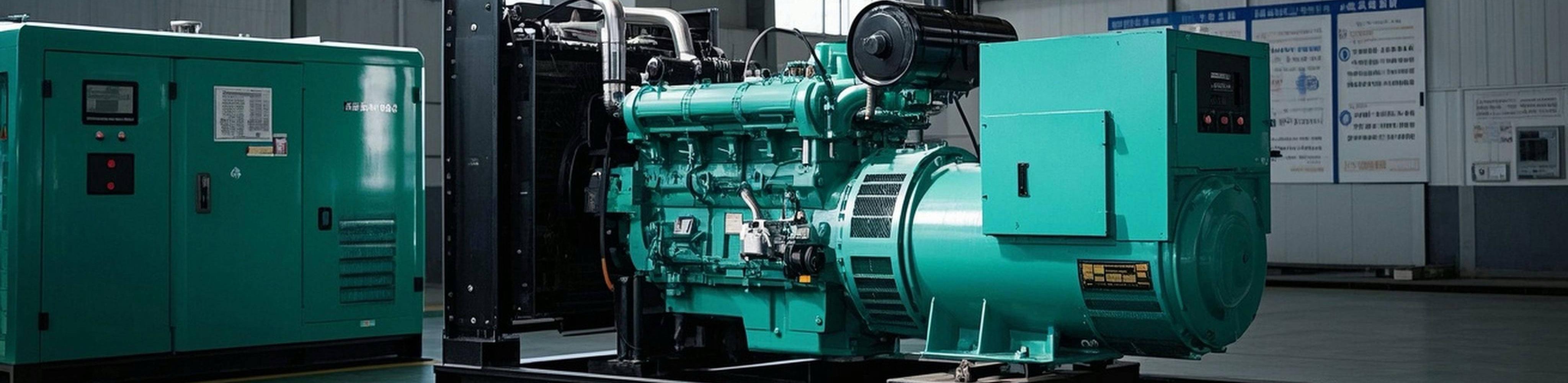
Industries such as semiconductors, pharmaceuticals, automotive electronics, and precision manufacturing rely on backup power systems to avoid costly downtime and product loss. In such scenarios, diesel generators provide fast-response, high-reliability emergency power solutions that prevent operational disruptions.
With the integration of remote monitoring systems, modern diesel generators offer real-time visibility into engine conditions, fuel levels, voltage, and performance trends. These advancements have transformed generators from passive responders into proactive decision-making assets, reinforcing the resilience of smart factories.
Beyond providing emergency power, diesel generators now function as intelligent nodes within a factory’s broader energy and data architecture. Manufacturers increasingly integrate generators with energy management systems, building automation systems, and Industrial IoT (IIoT) platforms to optimize power distribution, cost efficiency, and environmental compliance.
For instance, smart diesel generators in modern workshops can collaborate with solar panels, UPS systems, and automated switchboards to provide real-time load balancing. The addition of power quality monitoring modules enables tracking of voltage fluctuations, harmonics, and current spikes, offering valuable data for process optimization.
With carbon neutrality goals in focus, leading-edge generators are incorporating biodiesel, hybrid power systems, and AI-based predictive maintenance tools to reduce emissions and increase system uptime. The inclusion of digital controllers and cloud integration makes it easier for factories to manage power more effectively while also contributing to environmental sustainability.
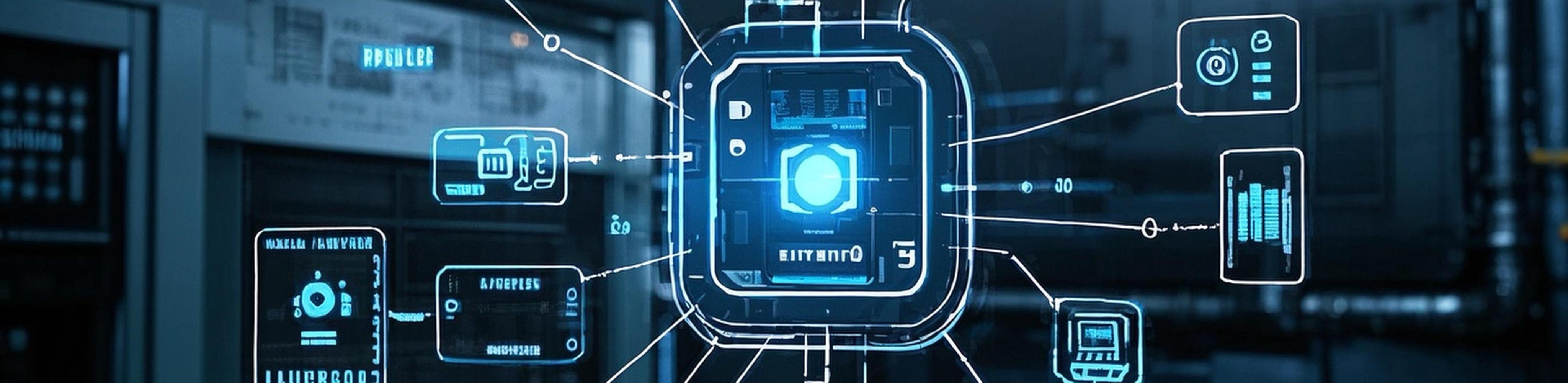
Importantly, the demand for elastic energy systems in smart manufacturing is growing. Diesel generators must support automatic load transfers, grid synchronization, and frequency modulation. Through modular design and intelligent control units, diesel generators are evolving into adaptable, efficient power sources ready for tomorrow’s smart manufacturing challenges.
Looking ahead, diesel generators will increasingly function as nodes within larger, more intelligent power networks—working alongside distributed energy resources, microgrid systems, and energy storage systems. They will be central to forming resilient, efficient, and sustainable energy frameworks in smart factories.
With 5G, edge computing, AI, and blockchain technologies enabling deeper integration, future generator systems will support full life-cycle management—from procurement to installation, operation, and recycling. This shift meets growing demands for transparent, controllable, and collaborative energy infrastructures in global manufacturing.
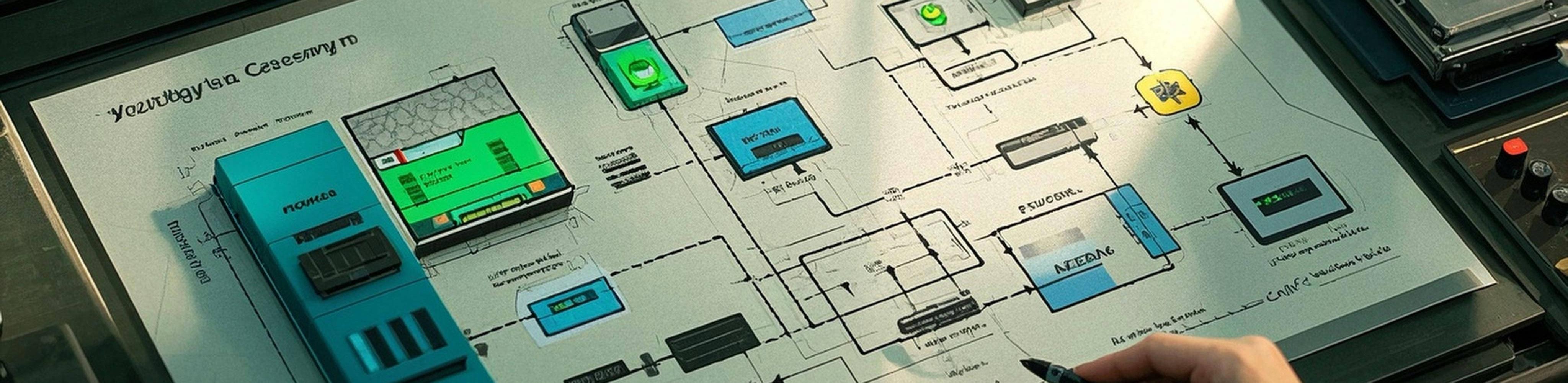
To remain competitive in the age of intelligent production, companies must invest in high-performance, scalable, and digitally enabled diesel generator systems. These will not only ensure power continuity but also position industrial operations to thrive in the emerging smart energy era.


